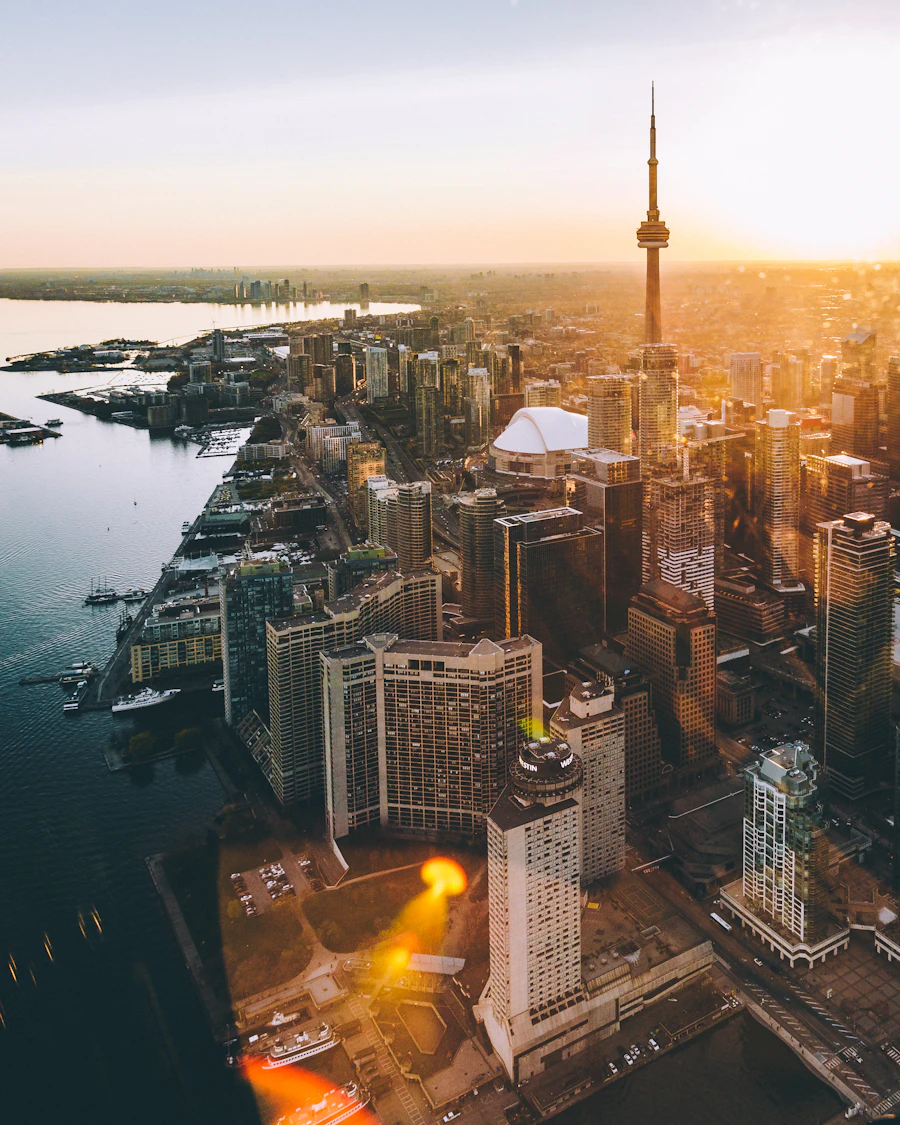
Ontario is Canada's most visited province — and for good reason. Home to world-famous Niagara Falls, the cosmopolitan city of Toronto, the wilderness of Algonquin Park, the blue waters of the Bruce Peninsula, and the nation's capital Ottawa, Ontario packs more diversity into a single province than most countries offer in their entirety.
In 2026, Ontario has never been better positioned for visitors. New transit corridors, expanded national park access, and a booming food and arts scene in multiple cities make this the ideal year to explore. Here's everything you need to know.
Toronto: Canada's Biggest City
Toronto is often the first stop for international visitors to Ontario — and to Canada. The city of 3 million people is one of the most multicultural on earth, with over 200 languages spoken and neighbourhoods that feel like different countries.
Top Things to Do in Toronto
- CN Tower: Still the city's iconic landmark at 553 metres, with a glass floor observation deck and the revolving 360 Restaurant
- Kensington Market: An eclectic neighbourhood of vintage shops, global street food, and indie cafés
- Distillery District: Victorian-era industrial buildings converted into galleries, restaurants, and boutiques
- Royal Ontario Museum: One of North America's largest museums, covering natural history, world cultures, and art
- Toronto Islands: A quick 12-minute ferry from downtown to car-free islands with stunning skyline views
- St. Lawrence Market: Named one of the world's best food markets — excellent for peameal bacon sandwiches
Niagara Falls: Icon of the Province
No visit to Ontario is complete without Niagara Falls. The falls — specifically the Canadian Horseshoe Falls — are among the most powerful waterfalls on the planet, with over 168,000 cubic metres of water flowing over the edge every minute.
Making the Most of Niagara
- Journey Behind the Falls: Tunnels carved through rock lead to observation decks directly behind the curtain of water
- Hornblower Niagara Cruises: Boat tours that take you into the mist at the base of the falls (wear the provided poncho)
- Niagara-on-the-Lake: A beautifully preserved 19th-century town 20 minutes from the falls, known for wine tours and theatre
- Niagara Parkway: One of the world's most scenic drives, running along the river from Niagara Falls to Niagara-on-the-Lake
Gear Up for Niagara
A quality rain jacket is essential at Niagara — even on the observation decks, you'll get wet from the mist.
Shop Rain Jackets on Amazon.ca →Ottawa: The Nation's Capital
Often overshadowed by Toronto, Ottawa rewards visitors with a more relaxed pace and an extraordinary concentration of national museums, galleries, and historic sites — most free to enter. In winter, the Rideau Canal transforms into the world's largest naturally frozen skating rink.
Top Ottawa Attractions
- Parliament Hill: Free guided tours of the Gothic Revival buildings; the East Block is now fully restored
- Canadian Museum of History: Just across the river in Gatineau, this is one of Canada's finest museums
- National Gallery of Canada: World-class collection including the iconic bronze spider sculpture by Louise Bourgeois
- ByWard Market: Ottawa's oldest neighbourhood, packed with farmers' market stalls, restaurants, and galleries
- Rideau Canal: UNESCO World Heritage Site — boat tours in summer, skating in winter
Algonquin Provincial Park
For nature lovers, Algonquin Park is Ontario's crown jewel. Established in 1893, it covers 7,630 square kilometres of boreal forest, lakes, rivers, and wetlands — home to moose, wolves, black bears, otters, and over 270 bird species.
Activities in Algonquin
- Canoe routes: Over 2,000 km of canoe routes ranging from beginner day trips to multi-week backcountry expeditions
- Fall foliage: Algonquin in late September is world-famous — a sea of red, orange, and gold maples
- Wolf howls: August Public Wolf Howl nights are among the most extraordinary wildlife experiences in North America
- Highland Trail: A 35 km backpacking route through old-growth forest and granite ridges
The Bruce Peninsula
Jutting into Georgian Bay between Lake Huron and Georgian Bay, the Bruce Peninsula is home to some of Ontario's most dramatic scenery — ancient white cedar trees clinging to limestone cliffs, crystal-clear turquoise water, and the famous Grotto at Bruce Peninsula National Park.
The Grotto is arguably Ontario's most photographed natural feature: a cave carved into the cliff face where the lake meets an underground chamber filled with impossibly blue water. Access requires a timed entry permit (book online months in advance for summer).
Thousand Islands
Where the St. Lawrence River widens between Ontario and New York State, the Thousand Islands region — actually 1,864 islands — offers boat cruises, historic castles, and charming river towns like Kingston and Gananoque. Boldt Castle on Heart Island, while technically in New York, is the centrepiece attraction accessible from both sides of the border.
Ontario Road Trip Essentials
Ontario's highways are vast and well-maintained — a good atlas and car organizer make any road trip more comfortable.
Shop Road Trip Gear on Amazon.ca →When to Visit Ontario
- Spring (April–May): Quiet season with lower prices; Ottawa's tulip festival in May is world-class
- Summer (June–August): Peak season — Niagara boat tours run, Algonquin canoe trips, Toronto outdoor festivals
- Fall (September–October): Best for foliage; Algonquin and Muskoka are spectacular; fewer crowds than summer
- Winter (November–March): Ottawa skating, ski resorts near Blue Mountain, and cozy Toronto museums
Getting Around Ontario
Ontario is enormous — the province is larger than France and Spain combined. A rental car is almost essential for exploring beyond Toronto and Ottawa. The GO Transit network connects Toronto with surrounding cities, and Via Rail serves the Toronto–Ottawa–Montreal corridor. For remote destinations like Algonquin or the Bruce Peninsula, you'll need your own wheels.
Distances from Toronto
- Niagara Falls: 1.5 hours by car (or GO Train to Niagara)
- Ottawa: 4.5 hours by car / 4.5 hours Via Rail
- Algonquin Park entrance: 3.5 hours by car
- Bruce Peninsula (Tobermory): 4 hours by car
- Thousand Islands (Kingston): 2.5 hours by car
Ontario Travel Tips 2026
- The Parks Canada Discovery Pass ($72 adult, $145 family) covers entry to all national parks and historic sites for a year — excellent value if visiting multiple Ontario parks
- Accommodation in Toronto peaks in summer and during TIFF (Toronto International Film Festival, September) — book early
- Tipping is standard at 18–20% in Ontario restaurants
- Ontario's drinking water tap is among the cleanest in the world — no need to buy bottled water
- French is not widely spoken outside Ottawa's Francophone communities, unlike Quebec
Related guides: Planning a Trip to Canada • Canada's Best National Parks • Top Cities in Canada