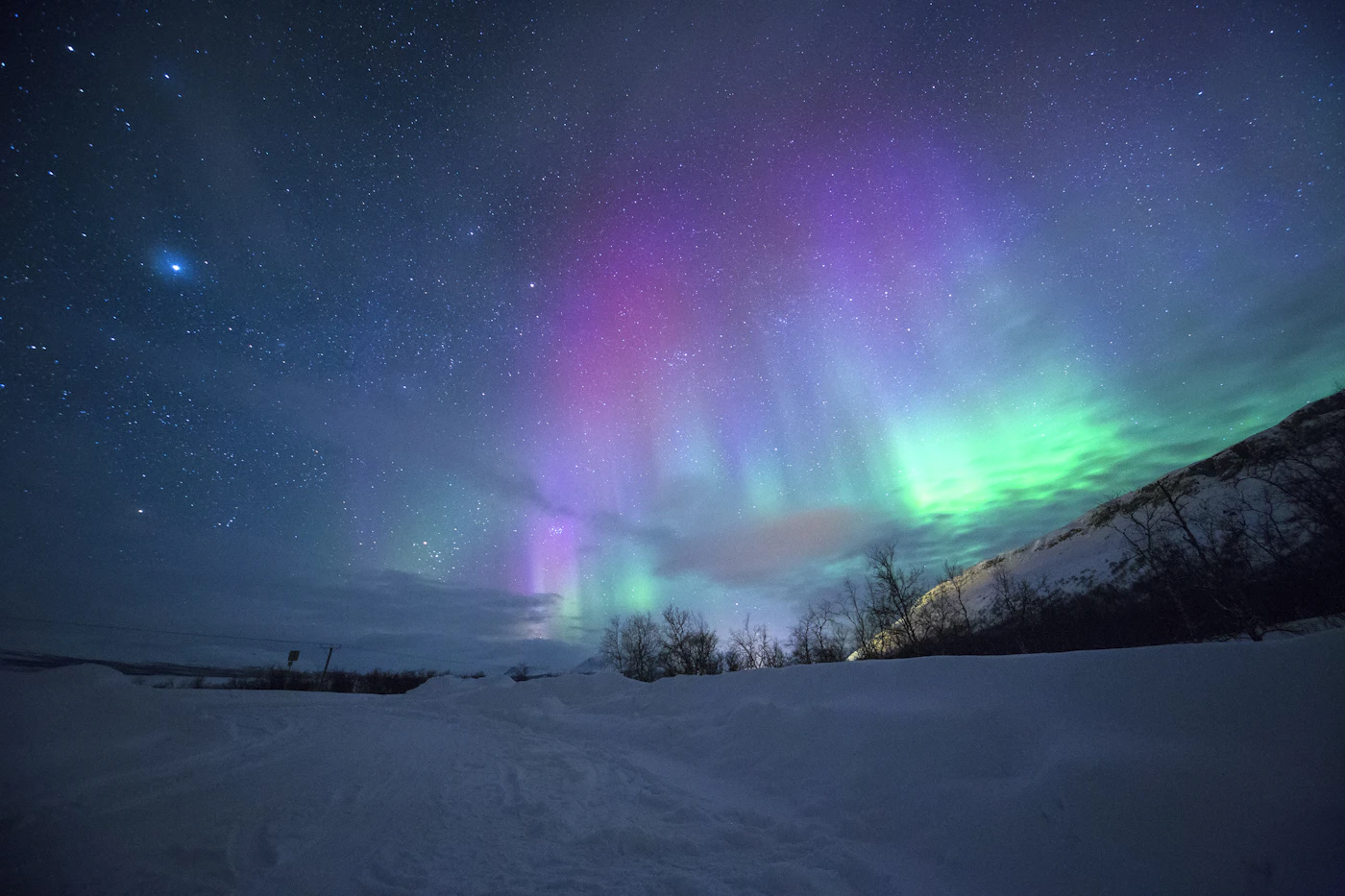
Manitoba is Canada's most underrated province. Squeezed between the blockbuster landscapes of the Rockies and the cultural weight of Ontario, it is regularly overlooked — and that is precisely its appeal. Nowhere else in the world offers such a reliable combination of polar bear encounters, northern lights, and genuine Prairie hospitality within a single provincial boundary.
Manitoba's geography is extraordinary in its contrasts: the flat, fertile Red River Valley in the south gives way to the Canadian Shield's granite outcrops and ancient boreal forests in the north, which ultimately open into the tundra and Hudson Bay coastline around Churchill. The provincial capital, Winnipeg, sits at the cultural crossroads of Canada and packs more museums, galleries, and restaurants per capita than cities three times its size. This guide covers it all.
Churchill: The Polar Bear Capital of the World
No destination in Manitoba — perhaps no destination in Canada — generates as much excitement as Churchill. This remote subarctic town on the western shore of Hudson Bay is the only place on Earth where large numbers of polar bears congregate near an accessible human settlement. Every October and November, as Hudson Bay begins to freeze, bears gather along the coast waiting for the ice to form so they can resume hunting ringed seals. The peak viewing window is late October through mid-November.
Polar Bear Season at a Glance
The classic way to view polar bears is from a Tundra Buggy — a specially built vehicle on oversized tires that allows close-up encounters while keeping both humans and bears safe. Tundra Buggy operators include Frontiers North Adventures and Great White Bear Tours; both book out months in advance. Budget $500–800 per person per day for a guided tundra experience.
Churchill is also accessible on foot during bear season, but the town enforces strict protocols — residents carry bear bangers, and a bear patrol monitors the area around the clock. Treat any polar bear sighting in town as an emergency and contact the local conservation officers immediately.
Beluga Whales in Churchill
Churchill's second great wildlife spectacle unfolds in summer. Every July and August, thousands of beluga whales enter the Churchill River estuary to calve, socialise, and moult. The concentration — often 3,000 to 5,000 animals — is one of the largest in the world. Sea North Tours and other local operators offer zodiac and snorkelling trips that bring visitors close enough to hear the belugas' distinctive chirps and whistles underwater. Kayaking among belugas is one of the most extraordinary wildlife experiences in Canada.
Northern Lights Over Churchill
Churchill lies directly under the auroral oval — the atmospheric band where geomagnetic activity is strongest — making it one of the best places on Earth to see the northern lights. The aurora can appear any night of the year when skies are clear and the sun is active, but the prime season is late February through April and September through October. Many visitors combine a late-October polar bear trip with aurora viewing, extending their stay to catch both.
Winnipeg: A City That Surprises
Canada's seventh-largest city sits at the confluence of the Red and Assiniboine rivers — a location that made it the commercial heart of the prairies for over a century. Today it is quietly one of Canada's most culturally interesting cities, with a genuine arts scene, remarkable Indigenous cultural heritage, and a food culture that punches well above its weight.
The Canadian Museum for Human Rights
The CMHR opened in 2014 as the first museum in the world dedicated exclusively to the history and future of human rights. The building itself — designed by Antoine Predock with a facade of Tyndall limestone and glass — is one of the most architecturally striking structures in Canada. The exhibitions range from the Holocaust and Holodomor to Indigenous rights and the evolution of Canadian civil liberties law. Budget at least three hours; this is not a place to rush.
The Forks
The Forks, where the two rivers meet, has been a gathering place for over 6,000 years. Today it is Winnipeg's central public space: a market building housing local food vendors, an outdoor skating rink in winter (the longest naturally-frozen skating trail in the world runs along the Assiniboine River), and the launch point for cycling and walking trails along both riverbanks. The area also includes the Oodena Celebration Circle, an Indigenous ceremonial space, and the recently expanded Winnipeg Railway Museum.
Exchange District and Arts Scene
Winnipeg's Exchange District — a National Historic Site of warehouses and commercial buildings from the 1880s–1910s — is now home to galleries, independent restaurants, and studios. The Winnipeg Art Gallery holds the world's largest collection of Inuit art. The Royal Winnipeg Ballet and the Winnipeg Symphony Orchestra are both internationally respected. In August, the Winnipeg Fringe Theatre Festival — North America's second-largest fringe festival — transforms the Exchange District into one of the most energetic arts events on the continent.
Riding Mountain National Park
Three hours northwest of Winnipeg, Riding Mountain National Park occupies one of the most biologically diverse areas on the prairies. The park sits atop the Manitoba Escarpment — a ridge rising 475 metres above the surrounding farmland — and contains a remarkable mix of boreal forest, aspen parkland, and fescue prairie. This ecological convergence supports 60 mammal species including black bears, elk, moose, bison, lynx, and wolves.
The town of Wasagaming on the park's southern shore of Clear Lake is the gateway community: think 1930s lakeside resort aesthetic with modern amenities. The park's best trails include the Ominnik Marsh Trail for birding, the Bald Hill Trail for panoramic views of the escarpment, and the multi-day Escarpment Trail for backcountry hikers. Clear Lake offers excellent swimming, canoe rentals, and a paddleboat-accessible beach that feels more like the Muskoka Lakes than the prairies.
Riding Mountain has a bison enclosure where a small herd roams free across 500 hectares. The drive through the enclosure (on Highway 19 within the park) is free and the best guaranteed wildlife encounter in the park. Visit in early morning for the highest chance of sightings near the road.
Lake Winnipeg and the Interlake
Lake Winnipeg is the world's tenth-largest freshwater lake — a fact most Canadians outside Manitoba don't know. Its southern basin contains Grand Beach Provincial Park, home to some of the best freshwater beaches in Canada: wide, white sand, warm water, and remarkably consistent summer temperatures that make it a legitimate beach destination from late June through August.
The Interlake region between Lake Winnipeg and Lake Manitoba is a birdwatcher's paradise. Oak Hammock Marsh — 36 square kilometres of restored wetland just north of Winnipeg — hosts hundreds of thousands of migrating waterfowl in spring and fall. The marsh's interpretive centre is excellent, and the trail system allows close observation of ducks, geese, shorebirds, and raptors year-round.
Prairie Culture and Mennonite Heritage
Southern Manitoba's landscape tells the story of waves of immigration that transformed the Canadian prairies. The Mennonite Heritage Village in Steinbach preserves the architecture and culture of the early Mennonite settlers who arrived in the 1870s; the full-scale reconstructed village includes a working windmill and an exceptional restaurant serving traditional varenyky (perogies) and borscht. Portage la Prairie and Brandon — Manitoba's second city — anchor the agricultural heartland, and the summer rodeo circuit through the region is an authentic experience of prairie culture that has nothing to do with tourism.
Best Time to Visit Manitoba
October–November
Polar bear season in Churchill. Peak viewing late October–mid November. Book 6+ months ahead.
July–August
Beluga whales in Churchill, beach season at Grand Beach, hiking in Riding Mountain.
Feb–April
Best northern lights season. Cold but clear skies; Winnipeg's Festival du Voyageur in February.
May–June
Prairie wildflowers, migrating birds, and comfortable hiking temperatures throughout the province.
Getting There and Getting Around
Winnipeg James Armstrong Richardson International Airport connects to all major Canadian cities and select US destinations. Churchill, being so remote (1,000 km north of Winnipeg), is accessible only by air — WestJet and regional carriers serve the route — or by the historic VIA Rail route, the Hudson Bay Railway, which runs twice weekly (roughly 40 hours from Winnipeg). Flying is strongly recommended unless you have considerable time and an adventurous spirit for the train journey.
Within southern Manitoba, a rental car is the most practical option. Winnipeg's transit system is functional but not optimised for visitors. For Riding Mountain, cycling is excellent within the park itself; the town of Wasagaming rents bikes seasonally. The Trans-Canada Highway passes through Winnipeg and is the main axis connecting Manitoba to Ontario in the east and Saskatchewan in the west.
Explore More of Canada
From the Yukon wilderness to Nova Scotia's coast — our guides cover every province and territory.
Browse All Guides